Shipping Powersports Parts: Packaging & Carrier Best Practices
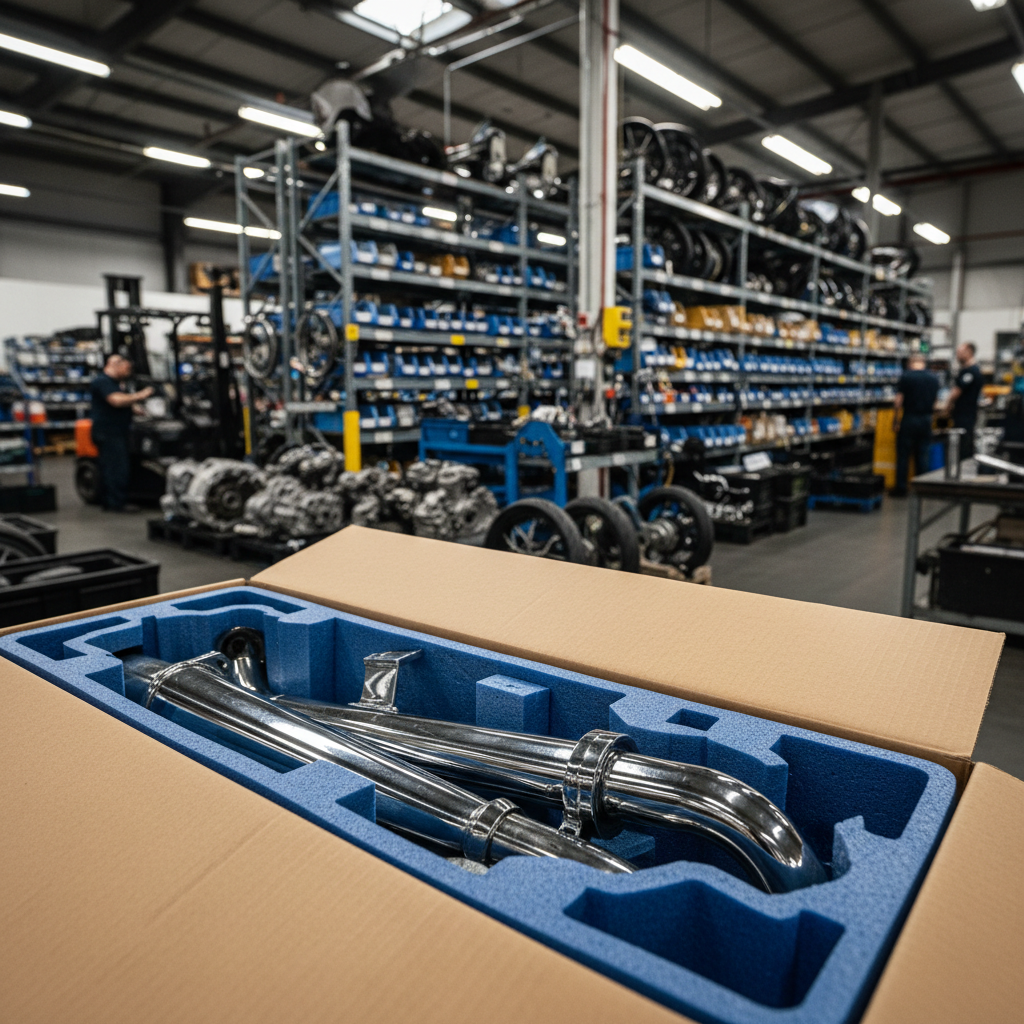
Welcome to the high-octane, heavy-lifting world of powersports salvage. As a dismantler, you already know that sourcing, tearing down, and listing a motorcycle, ATV, or UTV is only half the battle. You can meticulously wrench apart a wrecked bike, clean up the components, and craft the perfect listing, but all of that hard work goes out the window if the part is destroyed in transit. Shipping is where profit margins are either solidified or lost completely.
For many sellers, shipping motorcycle parts feels like an ongoing battle against skyrocketing carrier rates, dimensional weight penalties, and careless package handlers. But it doesn't have to be a gamble. A strategic approach to powersports shipping can transform your fulfillment process from a stressful chore into a streamlined, profit-protecting machine. Whether you are a seasoned dismantler or just scaling up your operations, managing your inventory with RevParts is only the first step. The next critical phase is ensuring those parts arrive at your buyer's doorstep in the exact condition they left your warehouse.
In this comprehensive guide, we are going to tear down the entire fulfillment process. We will dive deep into elite parts packaging techniques, how to navigate the complex web of carriers and freight options, and the essential best practices that will drastically reduce your return rates. By the time you finish reading, you will be equipped to ship everything from a fragile instrument cluster to a heavy, awkward exhaust system with total confidence.
The High Stakes of Powersports Shipping
Unlike traditional e-commerce where sellers ship perfectly square boxes containing soft clothing or small electronics, powersports salvage deals with the wild west of physical objects. Motorcycle and ATV parts are inherently difficult to ship. They are often heavy, asymmetrical, covered in residual fluids, and feature fragile protruding mounting tabs.
When parts packaging fails, the consequences are severe. A broken mounting tab on a rare vintage fairing turns a $300 profit into a total loss. Furthermore, poor shipping practices lead to high return rates. Returns in the powersports industry are notoriously expensive. You not only lose the initial cost of shipping, but you also have to pay for the return label, refund the buyer, and now deal with a part that may be damaged beyond repair.
To protect your margins and your seller reputation—especially on platforms like eBay Motors—you must view shipping not as an afterthought, but as a core pillar of your business operations. Mastering powersports shipping means understanding physics, utilizing the right materials, and knowing how carrier pricing algorithms work.
Mastering Parts Packaging Fundamentals
The foundation of successful powersports shipping relies on your packaging materials and techniques. You cannot afford to cut corners by using repurposed, compromised boxes or inadequate void fill. Here is what every professional salvage operation needs in their shipping arsenal.
Essential Packaging Materials
- New Corrugated Boxes (200lb Test or 32 ECT): Don't use flimsy grocery store boxes. Powersports parts are dense and will easily punch through thin cardboard. For heavier items, always opt for double-wall corrugated boxes.
- Heavy-Duty Bubble Wrap (Large Bubble): Small bubble wrap is meant for delicate electronics. For shipping motorcycle parts, you need large 1/2-inch or 5/16-inch bubbles to absorb the shock of a 50-pound box being dropped from a delivery truck.
- Kraft Paper and Corrugated Rolls: Excellent for wrapping exhaust pipes and structural metal components that don't need intense shock absorption but do need protection from scratching.
- High-Quality Void Fill: Avoid packing peanuts if possible—they compress under the weight of heavy parts and allow the item to shift. Instead, use expanding foam packets, crumpled heavy kraft paper, or custom-cut rigid foam blocks.
- Reinforced Water-Activated Tape (Gummed Tape): Standard clear packing tape can peel off in extreme temperatures or dusty salvage environments. Water-activated tape bonds directly to the fibers of the box, creating a structural seal that deters theft and prevents the box from bursting open.
The "Shake Test" and The 2-Inch Rule
The golden rule of parts packaging is the 2-inch rule. There should be a minimum of two inches of dense, shock-absorbing material between the part and the inner wall of the box on all six sides.
Once your part is boxed and sealed, perform the "Shake Test." Pick up the box and give it a vigorous shake. If you feel or hear any movement inside, open the box and repack it. Even a half-inch of shifting space can allow a heavy metal part to gain enough momentum to punch straight through the cardboard during transit.
Category-Specific Packing Strategies
Because active RevParts categories heavily feature components like exhaust systems, mechanicals, and bodywork, you need specialized approaches for different types of inventory.
Exhaust Systems and Mufflers
Exhausts are famously difficult to ship. They are long, awkwardly bent, and have sharp mounting brackets.
- Clean the part to ensure no loose soot gets everywhere.
- Wrap the entire length of the exhaust in large bubble wrap.
- Pay special attention to the mounting tabs and flanges. Cap the ends of the pipes with extra cardboard and tape to prevent them from cutting through the box.
- Use a telescoping box (sliding two long boxes together) if you cannot find a single box that fits, ensuring a massive overlap in the middle secured with strapping tape.
Engine Covers, Stators, and Heavy Metal Parts
For dense metal parts like clutch covers, stators, or small engine components, weight is your enemy. A 10-pound piece of metal will easily crush standard bubble wrap flat. Use the double-boxing method: wrap the part in bubble wrap, place it tightly in a small box, and then place that small box into a larger box with rigid foam or dense void fill between the two boxes.
Plastics and Fairings
Motorcycle plastics are fragile, scratch easily, and are highly susceptible to cracking in cold weather.
- Wrap the painted surfaces in a soft micro-foam or tissue paper to prevent the bubble wrap from leaving marks on the clear coat.
- Reinforce the protruding plastic mounting tabs using pieces of cut pool noodles. Slit a pool noodle down the side and slide it over the edges of the fairing.
- Suspend the fairing in a large box using packing paper so that no part of the plastic is bearing weight.
Suspension Components (Forks and Shocks)
Forks contain hydraulic oil, which can leak and ruin the packaging, leading to carrier rejection or buyer complaints.
- Drain as much residual fluid as legally and practically possible before storing or shipping.
- Wrap the fork seals and top caps tightly in plastic stretch wrap or heavy-duty plastic bags sealed with zip ties to contain any slow leaks.
- Package them in heavy-duty, long rectangular boxes, ensuring the heavy lower stanchions are heavily padded so they don't act as a battering ram against the box ends.
Choosing the Right Carrier for Powersports Shipping
Selecting the right carrier is crucial for maintaining profitability. The biggest trap sellers fall into is ignoring Dimensional Weight (DIM Weight). Carriers calculate shipping costs based on the actual weight or the volumetric weight of the box—whichever is greater. A lightweight plastic fender in a massive box might only weigh 3 pounds, but the carrier will charge you as if it weighs 40 pounds due to the space it takes up in the truck.
USPS (United States Postal Service)
USPS Ground Advantage is generally the most cost-effective option for smaller, lighter parts under 10-15 pounds. Items like CDIs, wiring harnesses, switchgear, and small hardware are perfect for USPS. They also offer Flat Rate boxes, which are a godsend for incredibly dense, heavy, but small items (like a bag of engine bolts or a heavy stator).
UPS and FedEx
For larger, heavier boxes—think wheels, exhaust systems, subframes, and cylinder heads—UPS Ground and FedEx Ground are your go-to carriers.
- Pro Tip: Always negotiate rates. If you are a high-volume seller, do not pay retail rates at the UPS store. Use shipping aggregators or secure a direct commercial account to get discounts of up to 40-50% off retail pricing.
- Be hyper-accurate with your measurements when entering them into your shipping software. Being off by just one inch can bump the package into a higher DIM weight tier, resulting in unexpected surcharge adjustments on your monthly invoice.
LTL Freight (Less Than Truckload)
When you are dealing with complete engines, ATV frames, or massive UTV axles, standard ground shipping is no longer viable. You must use LTL freight.
- Engines must be completely drained of all oil and coolant (this is a strict HAZMAT requirement).
- The part must be strapped down securely to a standard wooden pallet using heavy-duty ratchet straps or metal banding.
- Build a custom crate around the engine using 2x4s and plywood, or at the very least, shrink-wrap the entire assembly in opaque black wrap to protect it from the elements and hide the valuable contents.
Case Study: Shipping a 1988 Kawasaki KDX200 Spark Arrestor Muffler
Let’s put this theory into practice with a real-world scenario. Imagine you have just parted out a vintage dirt bike and you are dealing with a 1988 Kawasaki KDX200 Spark Arrestor Muffler. You have it listed for a solid $150.
Because this is a vintage, specialized exhaust component, the buyer expects it to arrive exactly as pictured, without any new dents or bent mounting hardware.
Step 1: Prep and Listing First, you drained any residual two-stroke oil from the muffler and wiped it down. You listed it using RevParts to easily cross-post to eBay Motors, capturing high-resolution images of the exact condition, including a pre-existing minor scrape on the aluminum body.
Step 2: Securing the Vulnerabilities When the sale drops into your RevParts dashboard, it’s time to pack. The KDX200 muffler has two main vulnerabilities: the mounting bracket that bolts to the subframe, and the exhaust tip. You take thick, rigid cardboard and fold it over the mounting bracket, taping it securely. This acts as a splint so the bracket cannot be bent if the box is dropped.
Step 3: The Wrap You wrap the entire length of the spark arrestor in three layers of large, 1/2-inch bubble wrap, paying special attention to the ends. You secure the wrap tightly with packing tape so it doesn't unroll in transit.
Step 4: Boxing and Void Fill You select a 24" x 8" x 8" heavy-duty corrugated box. You lay a bed of tightly crumpled kraft paper at the bottom. You place the wrapped muffler inside, dead center. You then pack more crumpled kraft paper tightly around the sides and top.
Step 5: The Shake Test and Labeling You seal the box with water-activated tape. You perform the shake test—solid as a rock. The actual weight is 4 lbs, but the DIM weight comes out to roughly 6 lbs. You print a UPS Ground label, cover it with clear tape to protect it from moisture, and dispatch the package. The vintage part arrives flawlessly, resulting in 5-star feedback.
Best Practices to Avoid Returns Before the Box is Taped
While mastering parts packaging is critical for preventing transit damage, avoiding returns actually starts long before the item is placed in a box. In the salvage business, buyer expectations are the number one cause of returns.
Hyper-Accurate Listings and Condition Grading
The RevParts listing tool allows you to capture and syndicate detailed data about your salvage parts. Use this to your advantage. Never over-promise on the condition of a used part. If a fairing has a 2-inch crack, zoom in on it. Take a photo of it with a ruler next to it for scale. Describe the flaw explicitly in the first few lines of the description. Buyers of salvage parts are generally understanding of wear and tear, but they despise surprises.
Compatibility and Fitment (Fitment Data)
The second most common reason for returns in powersports shipping is "Item does not fit." A buyer will purchase a 2005 Yamaha R6 part hoping it fits their 2008 model. Ensure your listings have accurate eBay fitment (compatibility) charts. Using a dedicated eBay Motors listing tool like RevParts ensures that your descriptions are mapped correctly to the master vehicle lists, stopping fitment-based returns in their tracks.
Clear Return Policies
Set boundaries. While eBay often forces sellers to accept returns for "Item Not As Described," you can establish clear restocking fees (where applicable) and return shipping responsibilities for "Buyer's Remorse" returns. Make sure you use a discreet UV pen or a custom tamper-evident void sticker on expensive electronic components (like CDIs and ECUs) to prevent buyers from swapping their broken part for your working one and returning it.
Tracking, Insurance, and Handling Disputes
Even with the best parts packaging, carriers will eventually lose or destroy a package. It is a mathematical certainty in e-commerce at scale.
When to Insure
Most standard carrier services (like USPS Ground Advantage or UPS Ground) include up to $100 of default insurance. For our $150 Kawasaki KDX200 muffler, it might be worth purchasing the extra $50 in coverage for just a few dollars. As a general rule of thumb, always purchase additional carrier insurance or third-party shipping insurance for any item valued over $150, or any item that is exceptionally fragile (like glass instrument clusters).
Signature Confirmations
For high-ticket items (typically anything over $500 to $750, depending on marketplace rules), you must require a signature upon delivery. This protects you against "Item Not Received" claims where a package is marked delivered but stolen from a porch.
Fighting Carrier Claims
If a buyer reports an item arrived damaged, immediately request photos of the damaged part AND the damaged box. Carriers will automatically deny insurance claims if you cannot provide proof that the box was damaged in transit and that the internal parts packaging met their guidelines. Do not refund the buyer until you have these photos, as you will need them to recoup your money from the carrier.
Conclusion: Accelerate Your Salvage Sales
Shipping powersports parts doesn't have to be the bottleneck of your salvage business. By investing in premium parts packaging materials, understanding the nuances of carrier dimensional weight, and utilizing smart packing strategies for specific components like exhausts and plastics, you can drastically reduce your damage rates.
Furthermore, by front-loading your effort into creating accurate, transparent listings, you eliminate the friction of buyer-remorse returns. It’s all about building a reliable, repeatable system. With RevParts managing your inventory and listings, and your new expert shipping protocols in place, you are ready to scale your dismantler operation to new heights.
Ready to start listing your parts? Sign up free at RevParts → https://revpartspro.com/become-seller
Stay in the loop
Get the latest powersports tips, new parts alerts, and seller guides — straight to your inbox. No spam.