RevParts Seller Success: Profitable Powersports Business
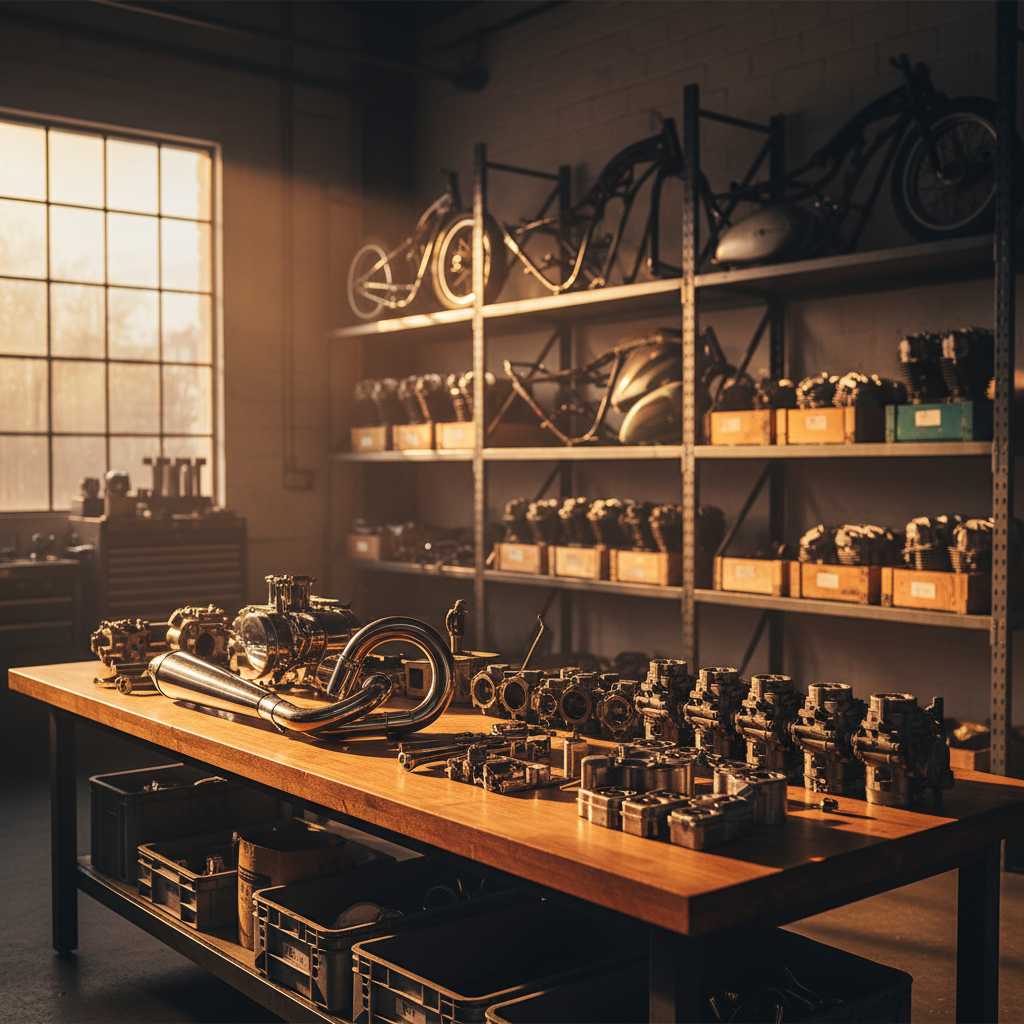
Have you ever stared at a pile of leftover motorcycle parts in the corner of your garage and wondered, "Could I actually make money doing this?" For countless gearheads, mechanics, and riding enthusiasts, the journey from casual weekend wrenching to running a full-fledged, highly profitable powersports business begins with a single, successful online sale. Maybe it was a spare carburetor, a set of slightly scratched fairings, or an old exhaust pipe taking up space. You cleaned it up, listed it online, and it sold within hours. Suddenly, a lightbulb went off: there is a massive, hungry market for used motorcycle parts.
You are certainly not alone in this realization. The used powersports parts market is currently booming and shows no signs of slowing down. As new motorcycles, ATVs, side-by-sides, and personal watercraft become increasingly expensive, riders and repair shops are constantly on the hunt for affordable, reliable OEM replacements. Becoming a successful motorcycle parts seller isn't just about having a passion for bikes, though; it requires meticulous organization, the right digital inventory tools, and a rock-solid strategy for scaling up your operations. Whether you are looking to make a few extra hundred bucks a month to fund your own track days, or you want to replace your full-time income entirely, transitioning from a hobbyist to a professional RevParts seller is an entirely achievable dream.
In this highly detailed, comprehensive guide, we will walk you through the exact steps required to transform your messy, disorganized garage into a highly profitable, systematized powersports salvage operation. We will cover everything from sourcing donor vehicles and mastering the teardown process to conquering the listing bottleneck and providing top-tier customer service.
The Turning Point: Recognizing the Value in Salvage
Before you start tearing down every broken bike you can get your hands on, it is crucial to understand why the used parts market is so lucrative. The math behind a profitable powersports business is surprisingly straightforward, yet it is heavily dependent on your ability to source the right inventory and understand your end consumer.
Why Buyers Choose Used Parts
Riders and independent repair shops turn to the used salvage market for three primary reasons:
- Significant Cost Savings: OEM (Original Equipment Manufacturer) parts sourced directly from the dealership are notoriously expensive. A used part in excellent, functioning condition can often be sold for 40% to 60% of the brand-new retail price. This offers massive savings to the buyer while still maintaining excellent profit margins for you, the seller.
- Discontinued and Vintage Inventory: For vintage bikes, or even standard commuter models that are simply over ten years old, dealerships frequently stop carrying specific replacement components. A motorcycle parts seller who specializes in these harder-to-find, "New Old Stock" (NOS) or quality salvaged items can easily command premium prices because they are the only option left for the buyer.
- Immediate Availability: Dealerships frequently have parts on backorder, sometimes taking weeks or months to arrive from overseas. If a rider needs a specific stator cover or a replacement wheel to race this coming weekend, they will gladly pay for expedited shipping on your eBay listing rather than wait three weeks for a factory shipment.
Understanding these buyer motivations helps you realize the true value of what you hold in your hands. A wrecked motorcycle is no longer just a tragic piece of scrap metal; it is a goldmine of individual components, each with its own specific demand curve and profit potential.
Setting Up Your Garage for Scale and Efficiency
If you want to scale from a casual hobby to a legitimate powersports business, you absolutely must treat your workspace like a professional warehouse. A pile of greasy, unidentified parts on the floor is a recipe for lost inventory, degraded part quality, and frustrated customers. Organization is the bedrock of your success.
Professional Inventory Management Basics
- Shelving and Bin Locations: Invest in heavy-duty, industrial shelving units. Assign every single shelf a specific location code (e.g., A1, B2, C3). Use clear or color-coded plastic bins for smaller parts and label them clearly with barcodes or part numbers. When a part sells online, you need to know exactly where it is in seconds, not hours.
- Climate Control Considerations: Remember that you are dealing with highly sensitive components. CDIs, complex wiring harnesses, exposed stators, and unsealed bearings need to be kept in a dry, climate-controlled environment to prevent rust and corrosion. A simple dehumidifier can save thousands of dollars in inventory.
- The Breakdown Station: Dedicate a specific, well-lit area of your shop solely for tearing down bikes. Equip it with an air compressor, high-quality impact wrenches, fluid catch pans for oil and coolant, and a sturdy hydraulic lift table. Efficiency at the breakdown station directly impacts your hourly profit rate. The faster you can strip a frame without damaging components, the higher your margins.
- Hazardous Waste Disposal: A professional motorcycle parts seller knows how to handle fluids. Set up a legal and safe disposal system for old oil, brake fluid, and antifreeze. Many local auto parts stores will recycle these for free, keeping your shop clean and environmentally compliant.
Sourcing Profitable Inventory
To be a successful motorcycle parts seller, you need a steady, reliable stream of inventory. You cannot rely solely on the random bikes your buddies leave at your house or the occasional lucky find. You need to establish reliable pipelines for sourcing "donor" vehicles on a weekly or monthly basis.
Where to Find Donor Bikes
- Salvage Auctions: Platforms like Copart and IAAI are the absolute bread and butter for any serious powersports business. You can bid on vehicles with salvage titles—these include bikes with crash damage, flood damage, or theft recoveries. Learning to read auction condition reports is a vital skill.
- Local Classifieds: Facebook Marketplace, Craigslist, and OfferUp are excellent places to find "mechanics specials"—bikes with blown engines, electrical gremlins, or missing titles that the owner just wants gone. Cash in hand and a trailer will get you incredible deals here.
- Dealership Trade-ins: Build strong relationships with local powersports dealerships and service managers. They often take in older, heavily worn bikes on trade that they have absolutely no intention of putting on their pristine showroom floor. Offer to buy these "junkers" wholesale.
The Golden Rule of Buying Salvage
Always calculate the "part-out value" before you purchase a bike. A good rule of thumb for a new motorcycle parts seller is to ensure the top five most valuable parts on the bike (typically the frame with a clean title, engine cases/bottom end, forks, wheels, and electronics) will entirely cover the initial purchase price of the donor bike. Everything else you sell from that point forward—down to the turn signals, brackets, and bolts—is pure, unadulterated profit.
The Art of Dismantling, Cleaning, and Cataloging
The difference between an amateur hobbyist and a top-tier motorcycle parts seller lies entirely in the presentation and quality of the product. How you handle the parts immediately after they come off the bike dictates how much money you will make.
The Teardown Process
When you bring a donor bike into the shop, do not immediately start hacking away at it. First, take a video of the bike running (if the engine still turns over) and systematically test all electrical components. Does the gauge cluster light up? Does the ABS pump engage? This video documentation can be used later to prove to skeptical buyers that the engine or electrical system works perfectly.
Next, systematically strip the bike. Remove wiring harnesses carefully without snipping connectors. Keep all mounting hardware securely taped or bagged with its respective part. Document any existing crash damage, deep scratches, or bent tabs immediately so you don't forget when it comes time to list the item.
Cleaning for Maximum Profit
Nobody wants to buy a used part covered in ten years of sticky chain wax, baked-on mud, and road grime. A quick trip to the parts washer can easily increase a component's final sale price by 20% or more. Clean parts are significantly easier to photograph, much easier to inspect for hidden hairline cracks, and result in far fewer customer returns. Take pride in the parts you are sending out.
Spotlighting High-Value Categories
Let's look at the active Exhaust category as a prime example of where cleaning and cataloging pay off. Exhaust systems—both OEM and aftermarket—are consistently highly sought after in the salvage market due to crash damage and upgrade trends. Suppose you pull an aftermarket FMF or a pristine OEM exhaust setup off a dismantled dirt bike. You might find a high-demand, specialized component like a Spark Arrestor. After a thorough cleaning, degreasing, and light metal polish, you can easily list that Spark Arrestor ($150) and see it move within days. When you understand category velocity and buyer demand, you can accurately prioritize which parts get cleaned, photographed, and listed first.
Overcoming the Listing Bottleneck
This is the exact point where most hobbyists fail. They buy a great donor bike, successfully tear it down, clean all the parts, and then... the parts sit on a shelf collecting dust for six months. Why? Because creating individual, accurate online listings for 150 different components is incredibly tedious, time-consuming, and mentally draining.
Taking photos, writing SEO-optimized descriptions, researching accurate fitment (which specific years, makes, and models the part fits), and managing eBay Motors listings can take hours upon hours. This bottleneck destroys cash flow and ruins the fun of the powersports business.
This is exactly why transitioning to become a dedicated RevParts seller is the ultimate game-changer for your operation. RevParts is an inventory and listing tool designed specifically for powersports salvage and dismantler operations to eliminate this exact bottleneck.
How a RevParts Seller Operates Differently
- Automated Fitment Data: Fitment is the hardest part of selling motorcycle parts. Instead of blindly guessing which bikes a specific stator fits, or spending hours cross-referencing OEM part numbers on microfiche websites, the RevParts platform provides comprehensive, built-in fitment data. This ensures your listings automatically show up in more buyer searches, drastically increasing your sell-through rate and reducing returns due to "does not fit" claims.
- Seamless eBay Motors Integration: As a RevParts seller, you do not have to manually create and format eBay listings one by one. The software syncs directly with eBay Motors. You can take photos, input the basic condition, and push your entire inventory live with just a few clicks.
- Unified Inventory Tracking: When a part sells on one channel, RevParts helps you manage the inventory deduction system-wide so you never accidentally double-sell a part that you no longer have in stock.
By utilizing these professional tools, a motorcycle parts seller can reduce their listing time by up to 70%, freeing them up to do what actually generates revenue: sourcing, buying, and dismantling more bikes.
Mini Case Study: Mike’s Moto Salvage
To truly illustrate what this transition looks like in the real world, let's examine the journey of a typical seller.
Mike was a weekend motocross racer who started parting out his own blown-up bikes to fund his expensive racing habit. Initially, he just took blurry, poorly lit photos on his cell phone and listed them casually on Facebook groups and rider forums. He was making about $500 a month, but his garage was an absolute disaster of unlabeled cardboard boxes. Worse, he spent his entire Sunday evening answering redundant questions from buyers asking, "Will this fit my 2014 model?"
Recognizing the financial potential, Mike decided to treat his side hustle like a legitimate powersports business. He registered an LLC, rented a small 1,000-square-foot industrial bay, and committed to a standardized workflow.
The most crucial step in Mike's scaling process was becoming a RevParts seller. Instead of manually cross-referencing every single bolt and bracket, he used the software to instantly generate highly accurate listings with full year, make, and model compatibility automatically populated.
Within just six months, Mike went from aggressively listing 10 parts a week to smoothly processing over 200 parts a week. By focusing heavily on fast-moving, high-margin categories like Exhaust systems, electrical relays, and clean plastics, his cash flow skyrocketed. Just last week, he processed a wrecked 2019 dual-sport bike. He pulled off a complete OEM exhaust header and a pristine Spark Arrestor ($150) and sold them within two hours of pushing the listing live, simply because the fitment data provided by his listing tool put his items exactly where desperate buyers were searching. Today, Mike's Moto Salvage is a thriving, full-time operation with two employees and a fully digitized warehouse.
Mastering Shipping and Customer Service
The final pillars of a successful powersports business are mastering logistics and fiercely protecting your online reputation.
Shipping Strategies for Awkward Parts
Motorcycle parts do not conform to standard, easy-to-ship box sizes. You will constantly be shipping long, awkward items like forks, heavy blocks of metal like engine cases, and bulky, highly delicate items like fairings and cowls.
- Stock Up on Supplies in Bulk: Do not buy boxes at the local post office. Buy your boxes, industrial bubble wrap, and heavy-duty packing tape in bulk from suppliers like U-Line or local packaging distributors. This will save you thousands of dollars over the course of a year.
- Custom Box Resizing: Learn how to use a carton sizer tool to safely cut down larger boxes. Shipping an exhaust pipe in a massive box with too much empty space will cost you heavily in dimensional weight fees from FedEx or UPS.
- Freight Shipping Mastery: For complete engines and large ATV frames, you will need to learn the basics of LTL (Less Than Truckload) freight shipping. Learn how to strap these heavy items securely to standard wooden pallets, drain all fluids completely, and build custom protective crates when necessary.
Customer Service That Drives Repeat Business
In the salvage and used parts industry, absolute honesty is your best policy. If a part has a scratch, a deep dent, or a welded repair, highlight it with a bright pointer in the very first photo and describe it clearly in the text description. Buyers of used parts generally expect some minor wear and tear, but they absolutely hate surprises.
By providing crystal clear communication, lightning-fast shipping times, and fair, no-hassle return policies, a dedicated motorcycle parts seller can easily achieve Top Rated Seller status on eBay Motors. This coveted status significantly boosts the search visibility of all your listings and provides discounts on final value fees.
Conclusion: Taking the Leap into Professional Selling
Turning your messy garage wrenching sessions into a highly profitable, scalable powersports business is an incredibly rewarding journey. It requires a distinct shift in mindset from being just a casual hobbyist to operating as a systematized, data-driven entrepreneur. By mastering the art of sourcing the right bikes, setting up an efficient teardown and cleaning workflow, and mastering the complexities of shipping logistics, you are setting an unbreakable foundation for long-term financial success.
But most importantly, you must equip yourself with the right digital tools to eliminate workflow bottlenecks. The most successful salvage operators in the country do not necessarily work harder than everyone else; they work significantly smarter by leveraging modern technology to handle the tedious, time-consuming tasks like fitment research and cross-posting.
By utilizing industry-specific listing and inventory management tools, you can dominate the online marketplace, easily outpace your local competition, and turn that pile of scrap metal sitting in your shop into serious, reliable cash flow.
Ready to start listing your parts? Sign up free at RevParts → https://revpartspro.com/become-seller
Stay in the loop
Get the latest powersports tips, new parts alerts, and seller guides — straight to your inbox. No spam.